Workshops, sprints,
and offsites where
product teams
decide together
and mean it.
For product leaders tired of sessions that produce alignment on paper and drift in practice.
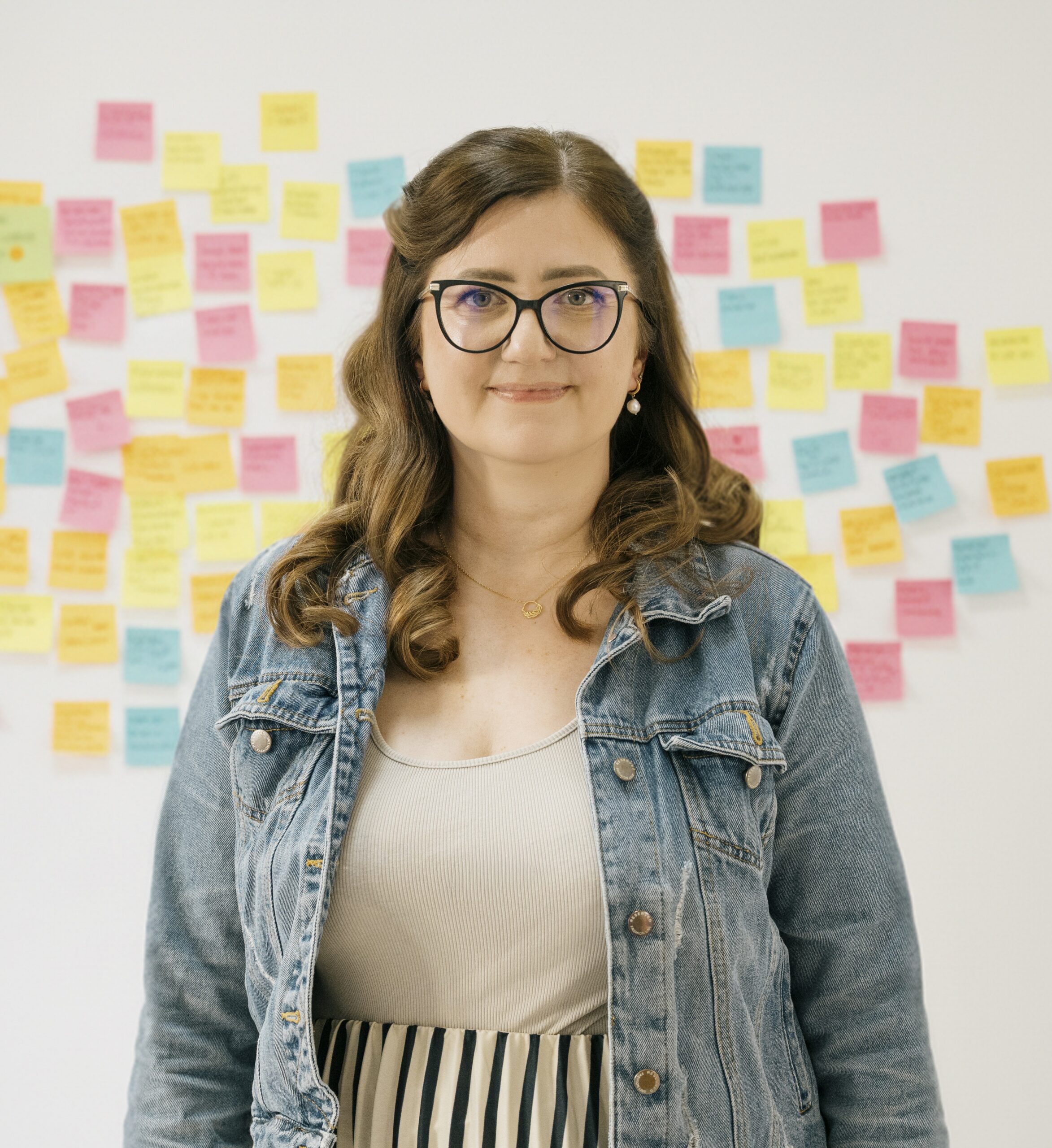
You know the pattern. Two days off-site, a wall of sticky notes, a vague sense of progress, and a roadmap that quietly reverts to what someone senior already wanted.
Most of these workshops aren’t badly run. The exercises work, the energy is fine, the outputs look good on the wall. But the team didn’t actually agree on anything difficult, and within a week or two the roadmap drifts back to whatever it would have been without the offsite at all.
I run the sessions where that doesn’t happen.
Seven moments when this kind of work tends to help. ↳ ring any bells?
Not an exhaustive list — just the situations that come up most often when teams reach out. If one of these sounds like where you are, the methods I’d usually reach for are listed underneath.
-
— 01
The team that’s stuck between what it knows and what to do.
Months of research, a backlog of good ideas, leadership pulling in different directions, and somehow the roadmap still hasn’t moved. The team isn’t short of information; it’s short of a way to decide.
A structured session that takes everything the team already has and turns it into a direction it can stand behind.
Methods I’d reach for: Decision Workshop Lightning Decision Jam Prioritisation Workshop -
— 02
The cross-functional team that keeps drifting apart.
Cross-functional teams often agree on the goal and disagree on what it means in practice. That disagreement rarely shows up in meetings – it shows up later, in what each function ends up shipping.
The work is to surface it before it becomes the kind of thing nobody wants to revisit.
Methods I’d reach for: Alignment Workshop Ways of Working Workshop Retrospective -
— 03
The new team or post-reorg team finding its footing.
A new pillar, a new mix of people, and the work has started before anyone’s agreed how the team actually wants to operate together.
A day spent agreeing on how the team works tends to save weeks of friction later, when the team is already busy and nobody wants to revisit basics.
Methods I’d reach for: Team Kickoff Ways of Working Workshop Team Offsite -
— 04
The team about to commit to a big direction.
When teams move into something new, the pressure to start building is real. The questions underneath: who this is actually for, what’s specifically broken for them, why this team is the one to solve it, tend to get treated as things to figure out along the way.
Two days of structured work turns those questions into something the team has actually answered.
Methods I’d reach for: Foundation Sprint Vision Workshop Strategy Workshop -
— 05
The team setting goals it can actually be measured against.
The team needs to commit to outcomes for the next quarter or year, but the goals on the table feel either arbitrary or aspirational. Nobody’s quite sure which user signals or data points should be shaping the choice.
A working session that connects real evidence to the goals the team commits to.
Methods I’d reach for: Goal-Setting Workshop OKR Workshop -
— 06
The team that needs a way to start something hard.
When a problem is genuinely difficult, the trickiest part is often the beginning: choosing a direction concrete enough to test without committing the team to a path it might regret.
A Design Sprint produces a tested prototype in a few days. Not a finished solution, but a real first move that tells the team what’s worth pursuing.
Methods I’d reach for: Design Sprint Problem-Framing Workshop -
— 07
The team that wants to come back to its users.
The roadmap got busy, the priorities multiplied, and somewhere along the way the team’s sense of who they’re really building for has gone a little out of focus.
Sessions that bring customer reality back into the room: through data and conversations before the next round of decisions.
Methods I’d reach for: Customer Empathy Workshop Co-Creation Session Customer Journey Mapping
Four kinds of teams the work tends to fit.
↳ same methods, different scales
Founders & very-early-stage teams
1–6 people · 1–2 days · pre-product or pre-teamBefore there’s a roadmap, a backlog, or a team to align, the work is to get the bet right. A Foundation Sprint pressure-tests who you’re really building for, what you’re solving, and why this team is the one to do it.
Small product teams
4–8 people · 4 hours to 5 days · single product teamA tight group working through a stuck problem, a roadmap call, or a strategic question that’s been sitting unresolved. Smaller group, harder outcome, less time wasted on getting up to speed.
Cross-functional groups
10–20 people · half-day to 2 days · multi-functionProduct, engineering, design, GTM, and whoever else needs to be in the room. Usually when something needs to be agreed across functions that have been talking past each other.
Leadership teams
5–15 people · 1–3 days · executive, strategicExecutive groups making the harder calls: strategy, restructures, priorities nobody wants to name. Designed for real commitment, not performed alignment.
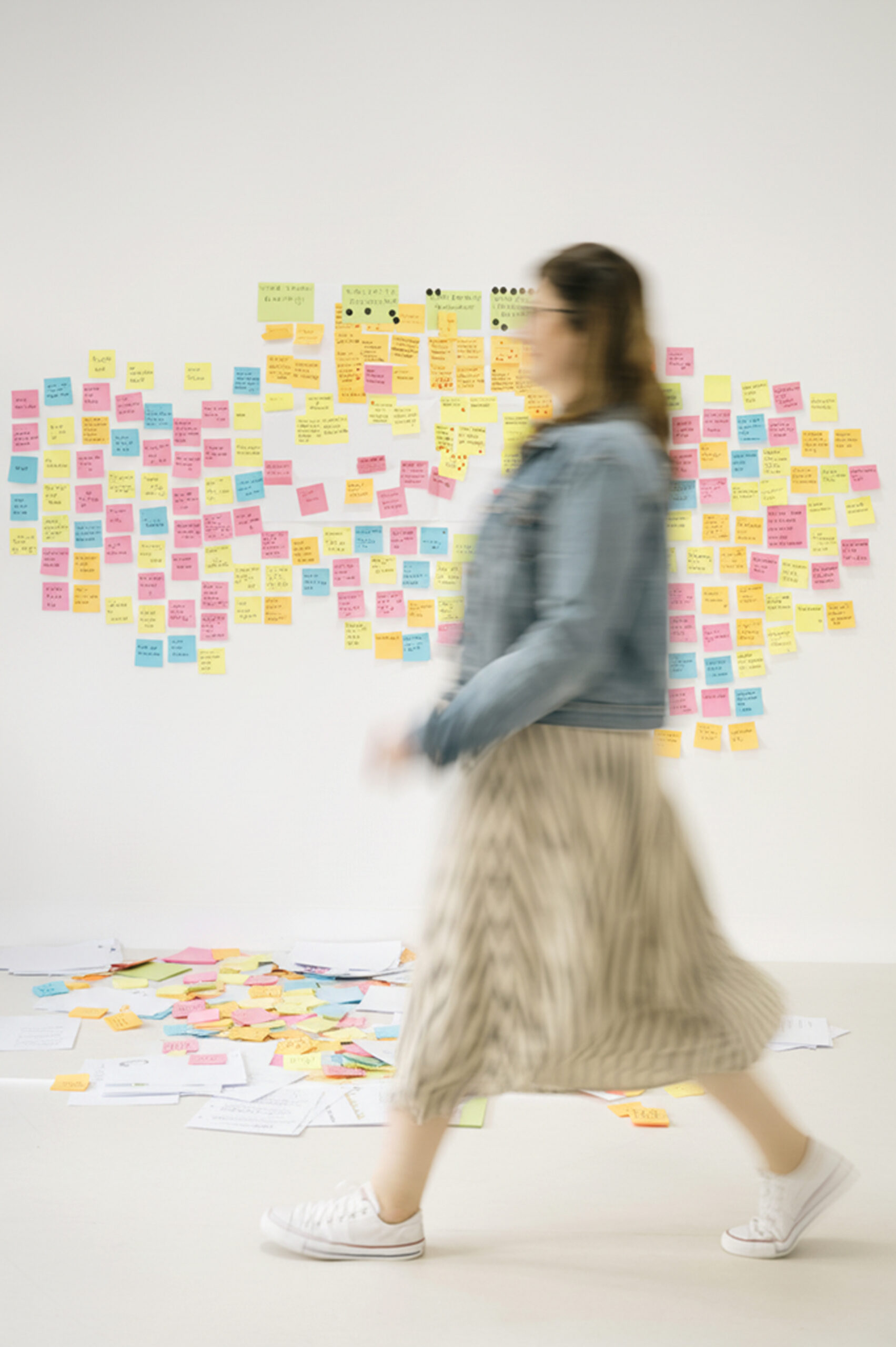
A facilitator with a researcher’s instincts.
I started facilitating because product teams kept asking the researcher to run their sessions. There was a reason for that and it shapes how I work now.
-
I design backwards from the decision, not forwards from the agenda.
The question isn’t „what activities will we do?” It’s „what does this group need to walk out having agreed on, and what’s currently in the way?”
-
Most stuck decisions have an unchecked assumption about users underneath them.
Not always a wrong one — sometimes the team is right and just hasn’t refreshed the picture in a while. Either way, naming what the team thinks it knows is usually where useful conversations start.
-
The work before the room matters as much as the work in it.
A good session is mostly designed in the days before it starts surfacing what the team already knows, what they only think they know, and what’s actually worth deciding together. Skip that, and the room ends up litigating questions it should have arrived ready to answer.
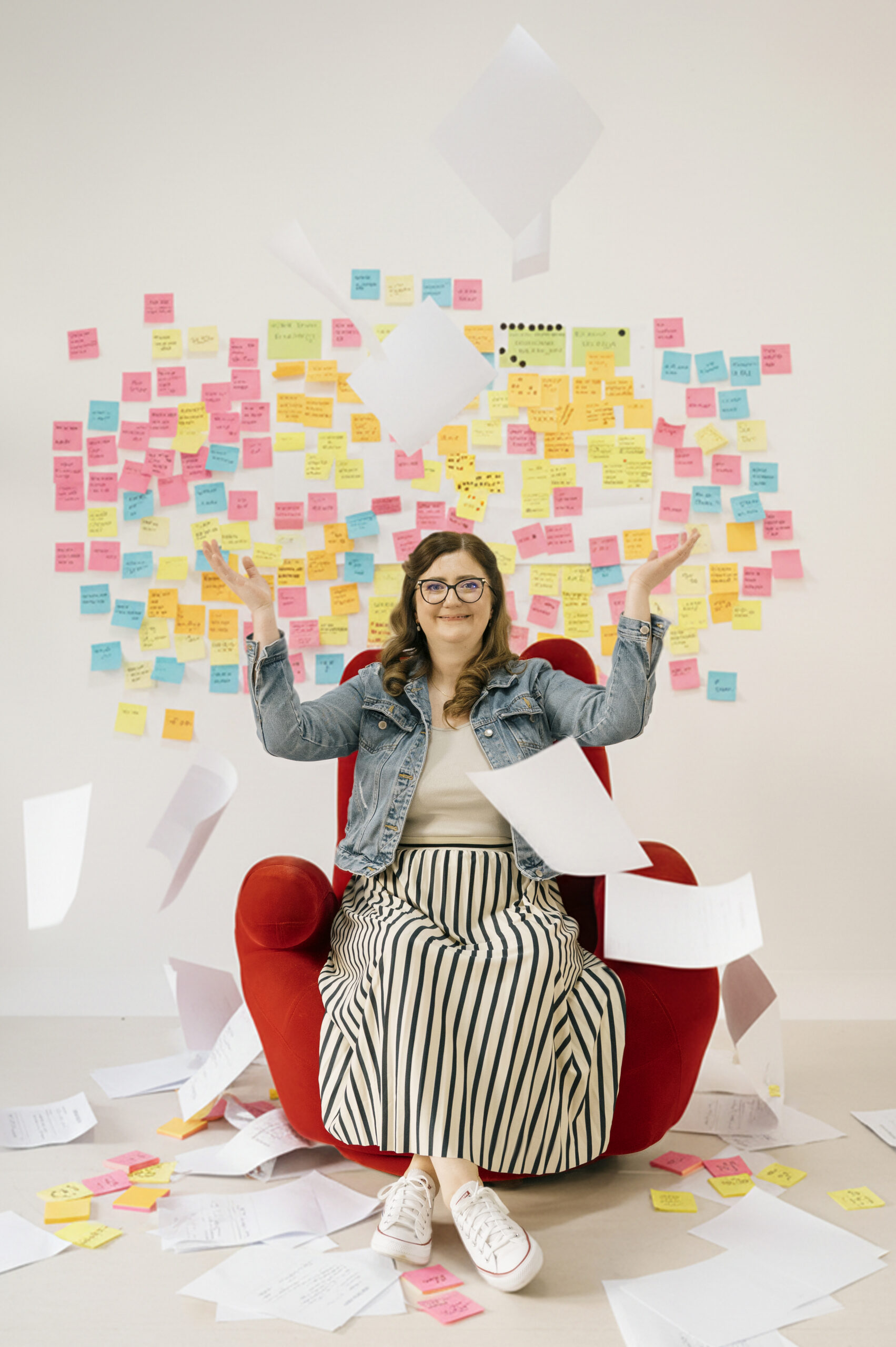
Hi, I’m Iza.
UX researcher, facilitator, and the person product teams call when a session needs to actually go somewhere.
I’ve spent years inside product teams running research and getting pulled into facilitating sprints, retros, and alignment workshops long before it became the headline service.
Now I do this work independently, through No Fluff Workshops.
Planning a session?
Let’s actually decide something.
A 30-minute intro call, no pitch. We’ll figure out together whether what you’re trying to do is what you actually need.
Book an intro call